Give the caller a next step you can keep
If your office closes at five, decide what a caller at seven will hear and who will act on their request. Put a specific callback window behind routine calls. Offer an urgent review only when someone is assigned to provide it. Keep a request, a confirmed appointment, and a technician on the way clearly separate.
Decide what “after-hours service” means
A caller asking about a fence repair may be happy to speak tomorrow. A customer whose scheduled cleaner has not arrived needs a different answer. Sending both requests to the owner’s personal phone does not resolve that distinction.
Start with one sentence that describes what your business actually provides outside office hours. For a routine service business, that might be: “We take requests any time, and our office returns evening messages the next business morning.”
If you offer an on-call service, name the limits. Which jobs, locations, and customers qualify? Who can agree to a visit? What fees need to be explained? Being able to receive a call all night does not establish that a technician is available all night.
Check that your website, business listings, voicemail, and answering instructions say compatible things. “24-hour emergency service” creates a different expectation from “Leave a request any time.” Remove an old promise if the staffing behind it no longer exists.
Write three outcomes for incoming requests
Use a short decision table so the person answering does not have to negotiate your entire service policy during each call. Start with the caller’s description. Avoid asking an unqualified person to diagnose the problem or declare it safe to wait.
| Situation | What your business can do | What the caller should hear |
|---|---|---|
| Routine request | Save the details for an assigned person at opening, or book an eligible future appointment if authorized. | A specific response window, with a clear statement of whether a visit is confirmed. |
| Request that meets your on-call policy | Ask the assigned person to review it using a process you have actually arranged. | Review is pending; an arrival time is not confirmed until someone accepts the job. |
| Immediate danger or help outside your service | State the service limit and use your approved emergency wording. | The business is not an emergency service. In immediate danger, contact emergency services rather than wait for a contractor callback. |
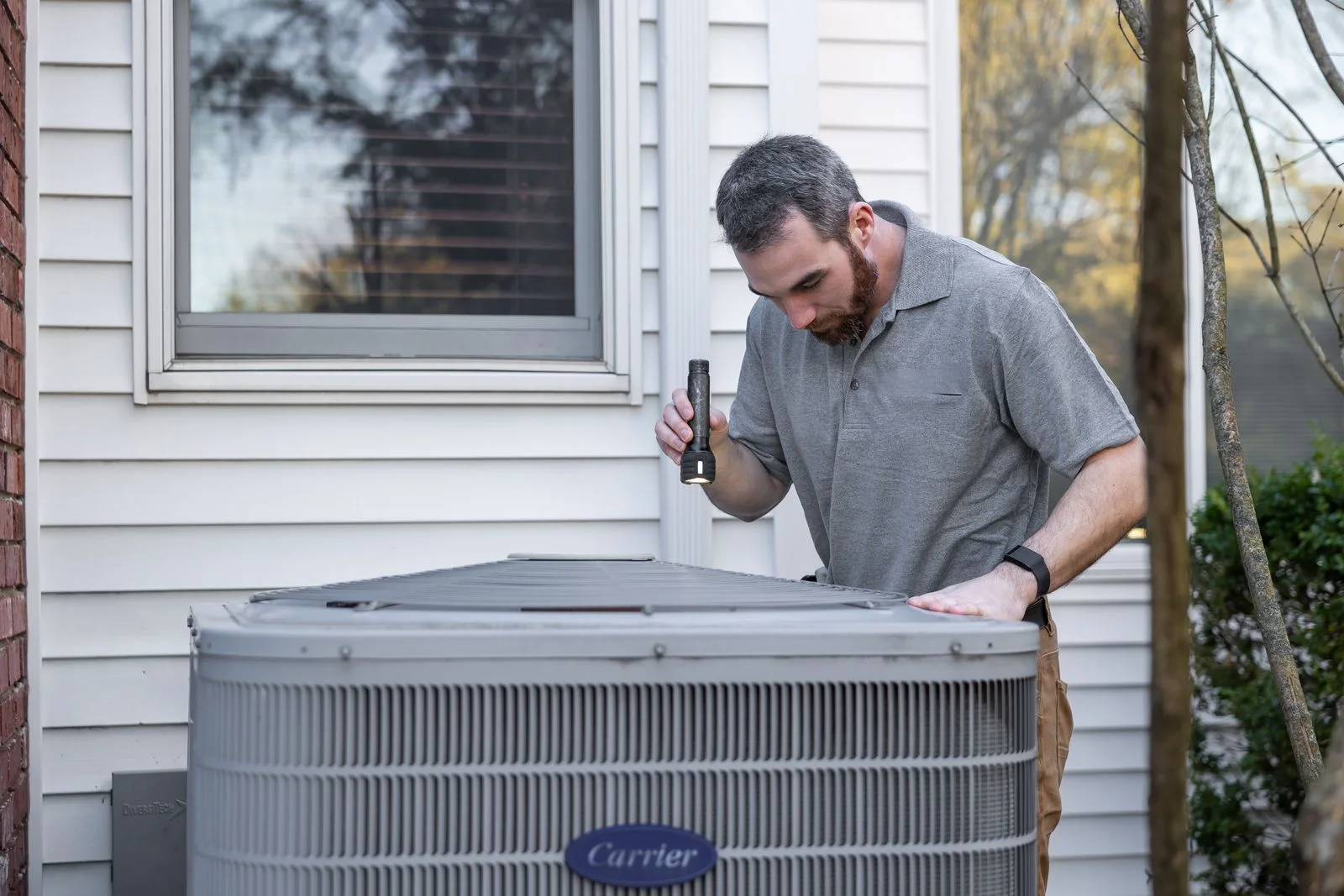
Keep the examples tied to your trade. A window cleaner may have no on-call lane at all. An HVAC company may offer after-hours review only to existing maintenance customers in a defined area. Those are business policies to communicate, not assumptions for an answering service to make.
Have the person responsible for your service operation approve the urgent-call wording. Do not turn a phone script into improvised repair instructions. This plan is about communication and ownership; it does not replace a trade-specific safety procedure.
Capture enough to make the callback worthwhile
Picture the person opening the office tomorrow. They have a crew waiting, a schedule to check, and six requests from overnight. What would let them make a useful first call without replaying six conversations?
- Contact: caller’s name and the number they want you to use, which may differ from caller ID.
- Location: service address or enough location detail to check coverage.
- Request: what the caller says is happening, in plain language.
- Context: new request, question about an upcoming visit, or problem after recent work.
- Timing: when the caller wants help and any deadline they mention.
- Promise: exactly what they were told would happen next.
Collect the callback number early, so a dropped call leaves a way to reconnect. Repeat important corrections back. If the caller says, “It’s for my rental, not my home,” make sure the service location is clear.
Record uncertainty as uncertainty. “Caller says the issue started after yesterday’s visit” is useful. “Our technician caused the problem” is a conclusion the person answering may not be qualified to make.
Use wording the customer can act on
A good closing message answers the question the caller will have as soon as they hang up: “Am I booked, should I wait, or do I need to do something else?” Here are three examples to adapt.
“Thanks for calling Oak Street Window Cleaning. The office is closed for the evening. I can take your address and what you’d like cleaned. Our office returns these requests Monday between 8 and 10 a.m. What number should they use?”
Use the actual day, especially before a weekend or holiday. Set the window from the person’s workload. A promise to call every overnight lead at opening will fail if the same person also has to dispatch the crew.
“I’ve sent your request to the person covering this evening. They need to review it before we can confirm a visit. We expect a callback by [time]. If you haven’t heard by then, [the contact route your team monitors].”
Use that wording only after the request has actually been sent through your agreed process. Fill in the callback time and backup contact before using the script. If no one is covering the evening, say so; do not leave the caller expecting an alert someone will never see.
“I’ve noted that Tuesday afternoon works for you. That visit is not confirmed yet. The office will check the schedule and call you Monday morning to agree on a time.”
Once a booking is genuinely confirmed, give the agreed day and arrival window. Avoid using “all set” while the appointment is still awaiting review. A few precise words now can prevent a customer from taking time off for a visit that was never booked.
Choose which appointments can be confirmed
For a straightforward service with predictable duration, you may be comfortable letting coverage book from approved availability. For an uncertain repair, a large property, or a return visit, you may want a person to review the request first.
Write down the eligible services, service area, appointment length, minimum notice, and capacity that can be used. Decide what happens when the customer requests a time outside those rules. “The office will review that request” is an acceptable outcome.
Also decide which schedule is authoritative. If your crew’s jobs are in one calendar and the answering service uses another, explain who keeps them aligned. Do not assume a calendar connection exists because both products display appointments.
Before a holiday or a day off, remove unavailable time from the schedule the booking process actually reads. Closing the office on your website does not necessarily close those appointment slots.
Name the person behind each promise
An alert in a group inbox leaves a basic question unanswered: has anyone agreed to act? For requests that need attention tonight, define how the assigned person acknowledges receipt and what happens if they do not.
These steps are procedures your business must arrange. They may be manual; they are not features to assume every answering provider supplies. A call summary, an alert, a live transfer, and a dispatch are different capabilities.
Check the plan when the on-call rotation changes. Include what happens if the assigned person is already on a job. If there is no dependable backup, narrow the service promise to match the coverage you have.
Rehearse the exceptions before the first evening
Walk through the plan with whoever will answer and whoever will follow up. Arrange test calls with your provider where needed, using fictional customer details. Start with these six situations:
- A Friday evening estimate request. Does the caller hear Monday’s actual callback window?
- An eligible appointment. Does the record and closing message agree on whether it is confirmed?
- A return visit. Is it marked for review without a new fee or warranty promise being invented?
- A request your business cannot accept. Does the caller learn that before waiting for a nonexistent visit?
- An urgent review with no acknowledgment. Does the agreed backup procedure work?
- An immediate-danger statement. Does the approved emergency boundary appear without improvised troubleshooting?
Then inspect the record the morning person receives. Correct contact details and an accurate promise matter as much as the conversation itself. The coverage checklist gives you a fuller way to compare the results.
Make the morning handoff part of opening
Give one person ownership of the overnight list at the start of the day, with a backup for days off. They should review any promise that is coming due, calls about today’s visits, unresolved urgent requests, and routine new work. Assign a next action to each item.
Do not mark a request finished just because someone attempted a callback. Leave a short note: reached customer and booked; customer no longer needs help; left a message; needs an estimate; or awaiting availability. If you did not reach them, keep the next attempt and responsible person visible.
During the first week, review the previous evening’s requests together. Count callbacks completed within the promised window, appointments that needed correcting, and callers who misunderstood the next step. Read the notes on the failures before changing the script.
ServiceTitan’s call-experience guide recommends reviewing calls and recording why they did not become bookings. For after-hours coverage, add one question to that review: did we do what we told the caller we would do?
If the same mistake recurs, change the underlying rule. Missed callbacks may mean the promised window is unrealistic. Repeated appointment corrections may mean too many job types are eligible for automatic booking. More enthusiastic wording will not fix either problem.
Choose coverage that fits this plan
Once you know the promise, compare the options. Voicemail may be enough for a small volume of routine requests when someone reliably works the list. A receptionist or answering service may help when you need a conversation to collect details. A staffed on-call operation has responsibilities beyond answering the initial call.
Ask each provider to show your most difficult handoff. Who receives it? What status appears? Who contacts the caller? Use our coverage comparison to work through the tradeoffs. You can improve an evening call flow without buying the most comprehensive service available.
Where Handled Calls can help
Handled Calls can answer missed calls, capture the request, and keep the next action visible for your team. Eligible voice bookings use the availability saved in Handled Calls when instant booking is enabled; other requests wait for review. Your team handles callbacks. The product does not provide live call transfers or emergency dispatch, and it does not sync with an external calendar. Check the product FAQ against your plan.
Talk through your after-hours needs